

Latest Products

Contact Us
-
Building 2, QinChuang Chang'an Industrial Park,Chang'an District, Xi'an City, Shaanxi Province
-
+86-2988253271

Bulk Powders Pea Protein
Appearance: Yellowish powder complied
Odor and Taste: Bland and off-odor
Protein(dry basis ): ≥80%
Two Factories & Three production lines
FDA Cert.
Certifications: Halal,ISO9001,PAHS Free,NON-GMO,KOSHER,SC
Overseas warehouse(NJ,USA)
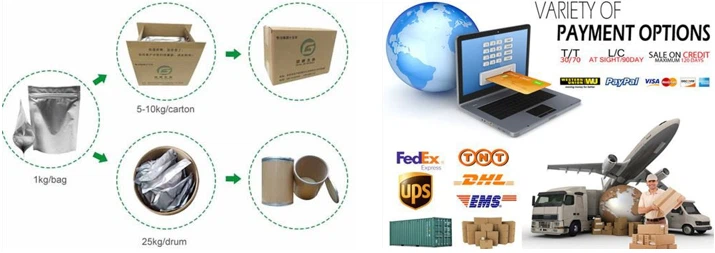
Delivery term: DHL, FEDEX, Air freight, Sea freight
Provide Free Sample
MOQ: 1KG
Not for Private Person Sale
Description
Wholesale Pea Protein Powder for Food & Beverage Manufacturers
Guanjie Biotech is a professional Bulk Powders Pea Protein supplier and manufacturer. Our plant-based pea protein powder is produced from carefully selected fresh peas to ensure consistent product quality. We offer different protein specifications, including 80%, 85%, 90%, and 95% pea protein, to meet various formulation and purchasing requirements. Customers can choose suitable pea protein powder specifications for their food, beverage, and nutritional product applications. As an experienced pea protein manufacturer, Guanjie Biotech focuses on reliable bulk supply, competitive wholesale prices, and stable quality. We welcome bulk orders and inquiries from global B2B buyers looking for a dependable pea protein powder supplier. Welcome to contact us: info@gybiotech.com.

What Is Pea Fiber?
Dietary fiber plays an important physiological role in the human body and is an indispensable nutrient for maintaining human health. Guanjie Biotech's dietary fiber has good properties of water retention, emulsification, suspension, thickening and expansion.It can improve the water retention, shape retention, and freezing and thawing stability of the food. As a functional food ingredient, it can enhance the brittleness, expansibility, and shelf life of the food. And Bulk Powders Pea Protein can be used in baking foods, meat, nutritional supplements, diet food.
COA:
|
Test items |
Specification |
Test Results |
|
Analytical |
||
|
Appearance |
Yellowish powder |
Complied |
|
Odor and Taste |
Bland and off-odor |
Complied |
|
Macroscopic Matters |
Nil |
Complied |
|
Moisture % |
≤ 8.0 |
6.1 |
|
Ash(dry basis) % |
≤8.0 |
3.7 |
|
Protein(dry basis )% |
≥80.0 |
81.2 |
|
PH Value |
6.0~8.0 |
7.21 |
|
Microbiological |
||
|
TPC (cfu/g) |
≤ 30000 |
1980 |
|
Coliforms (cfu/g) |
<10 |
<10 |
Nutritional Composition of Pea Protein Powder
Bulk pea protein powder is a plant-based protein ingredient containing a range of amino acids. Its amino acid profile includes nine essential amino acids and several non-essential amino acids. Essential amino acids must be obtained through the diet, while the body can produce non-essential amino acids. Pea protein powder is considered a valuable protein source for vegetarian, vegan, and plant-based food formulations. Bulk Powders Pea Protein also provides naturally occurring minerals, including iron. As a versatile vegan protein powder, it is widely used in sports nutrition products, protein shakes, meal replacements, and functional foods. Depending on the formulation and daily diet, pea protein can help support muscle maintenance and overall protein intake. For food and supplement manufacturers, bulk pea protein powder offers a convenient plant-based ingredient for developing nutritional products.
Physicochemical Properties of Bulk Pea Protein Powder
The physicochemical properties of Bulk Powders Pea Protein influence its performance in food and beverage formulations. Pea protein solubility is generally lowest near the isoelectric point (pH 4.0–6.0) and increases under neutral, alkaline, and strongly acidic conditions (pH 2.0–3.0). Pea globulin can reach approximately 80% solubility, higher than some pea protein isolates (PPI). Pea globulin contains two major protein fractions: vicilin (7S) and legumin (11S), with denaturation temperatures of approximately 83°C and 92°C, respectively. Legumin (11S) therefore shows greater thermal stability than vicilin (7S). During pea protein isolate production, acid-base processing may cause partial protein denaturation, structural changes, and exposure of hydrophobic regions. These changes can affect pea protein functionality, including emulsifying capacity and emulsion stability. Studies indicate that pea globulin may provide better emulsifying performance than PPI across pH 3.0–9.0, making pea protein powder a useful plant-based ingredient for food formulation.
Sensory Properties of Pea Protein Powder
Bulk Powders Pea Protein has several characteristic sensory properties, including beany, grassy, bitter, and astringent notes. Among these, beany and grassy flavors are the most noticeable. Hexanal, a volatile compound naturally found in peas, is one of the main contributors to the characteristic beany aroma of plant-based pea protein.
Bitterness and astringency can also affect the taste and overall sensory quality of bulk pea protein powder. These properties may be associated with naturally occurring saponins, including βb and βg. Studies indicate that βg can produce a stronger bitter taste than βb in aqueous solutions. Therefore, controlling saponin levels during processing is important for improving the flavor and sensory quality of pea protein isolate.
Odor components
The odor of natural pea protein powder is an important factor affecting its sensory quality and suitability for different food applications. Studies on bulk pea protein powder have identified aldehydes and ketones as major contributors to its characteristic odor. Using gas chromatography-olfactometry-mass spectrometry (GC-O-MS), researchers identified approximately 40 odor-active compounds in pea protein. Many of these compounds are associated with the oxidation of unsaturated fatty acids, particularly linoleic acid and linolenic acid. Under specific processing and storage conditions, lipid oxidation can produce volatile compounds that influence the flavor and aroma of plant-based pea protein.

Bulk Powders Pea Protein uses:
Plant-based beverages and plant-based milks
●Plant-Based Protein Fortification:
Bulk Powders Pea Protein is widely used in plant-based beverages and dairy alternatives. It helps increase protein content and provides a plant-derived protein source for consumers seeking alternatives to dairy-based ingredients.
●Protein Drinks and Sports Nutrition:
Pea protein powder is suitable for protein shakes, sports drinks, protein-enriched juice blends, and nutritional beverages. It provides essential amino acids that support muscle protein synthesis and recovery.
●Essential Amino Acid Profile:
Bulk Powders Pea Protein contains three essential branched-chain amino acids (BCAAs): leucine, isoleucine, and valine. These amino acids play important roles in muscle protein metabolism, making pea protein a useful ingredient in sports nutrition formulations.
●Nutritional Formulations:
With its relatively high digestibility and balanced amino acid profile, plant-based pea protein can help manufacturers develop nutritional beverages for athletes, health-conscious consumers, and people following vegan diets.
●Product Development:
Pea protein ingredients can be incorporated into different beverage formulations to meet varying nutritional requirements and consumer preferences.
Plant meat
Bulk Powders Pea Protein binds water and fat. It can be a unique and effective binder, filler and functional enhancer. This has been used in various forms of meat products and vegetarian meat products (meat analogs).
●Water and Fat Binding:
Pea protein powder has water- and fat-binding properties, making it a useful functional ingredient in plant-based meat products. It helps improve product structure, texture, and formulation stability.
●Meat Alternative Production:
Both pea protein isolate and pea protein concentrate are commonly used in vegan sausages, plant-based patties, meat-free steaks, and other meat alternatives.
●Protein Content Improvement:
Adding bulk pea protein powder increases the protein content of plant-based meat products while helping manufacturers achieve desirable sensory characteristics, including softness, smoothness, and chewiness.
●Texture Enhancement:
When combined with functional ingredients such as transglutaminase, pea protein can help develop a stronger protein network, improving product binding and structural stability.
●Improved Processing Performance:
In certain low-salt meat formulations, Bulk Powders Pea Protein ingredients can help improve binding, slicing performance, and product consistency, depending on the formulation and processing conditions.
●Meat-Like Fibrous Structure:
Through suitable extrusion technologies, plant-based pea protein can form fibrous structures with a shredded texture similar to meat. This makes pea protein isolate and concentrate valuable ingredients for developing plant-based meat alternatives.
FAQs:
Q1: What are the main nutritional benefits of pea protein powder?
Pea protein powder provides plant-based protein and contains essential amino acids, including leucine, isoleucine, and valine. It is suitable for vegan nutrition, sports supplements, protein shakes, and meal replacement products requiring additional dietary protein.
Q2: What is the typical appearance and quality specification of pea protein powder?
Pea protein powder typically appears as a yellowish powder with a mild characteristic taste. According to the supplied COA, the sample contains 81.2% protein, 6.1% moisture, and 3.7% ash.
Q3: Is pea protein powder suitable for vegan and vegetarian products?
Yes, Bulk Powders Pea Protein is a plant-derived ingredient suitable for vegan and vegetarian formulations. Food manufacturers commonly incorporate it into dairy alternatives, meat substitutes, protein beverages, nutritional supplements, and other plant-based food products.
Q4: What are the main applications of bulk pea protein powder?
Bulk pea protein powder is commonly used in protein drinks, plant-based milk, vegan meat, nutritional bars, bakery products, and meal replacements. Its protein content and functional properties support various food manufacturing applications.
Q5: Can pea protein powder be used in plant-based meat alternatives?
Yes, Bulk Powders Pea Protein can be incorporated into plant-based burgers, sausages, and meat alternatives. Its water-binding, fat-binding, and emulsifying properties can help improve texture, structure, and processing performance in finished products.
Q6: What factors affect the solubility of pea protein powder?
Pea protein solubility depends on pH, temperature, protein structure, and processing conditions. Solubility is generally lower near its isoelectric point, around pH 4.0–6.0, and varies across different pea protein grades.
Company Advantages:
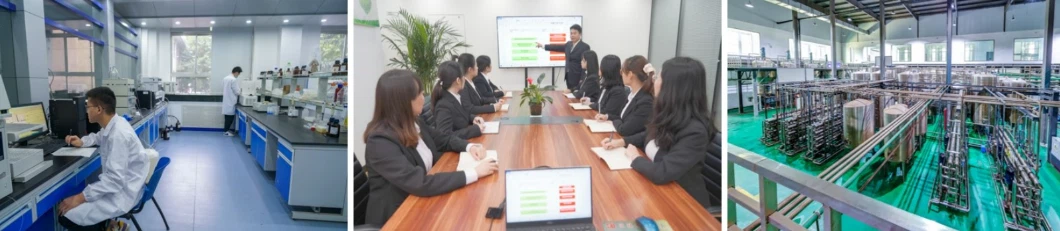
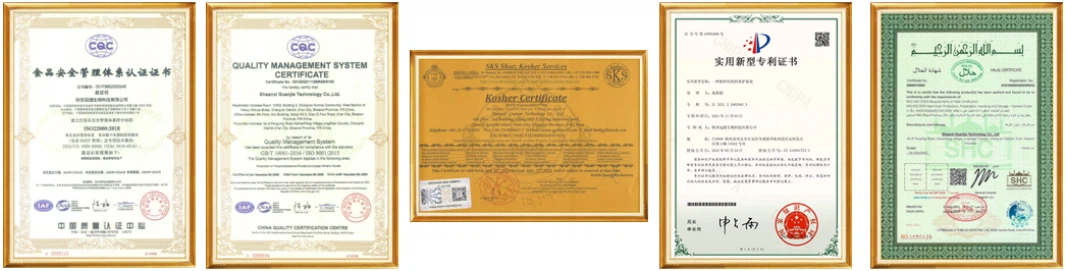
Guanjie Biotech's factory is fully qualified. We have many kinds of SC extract production licenses, carry out the record production of traditional Chinese medicine extracts, and are the record manufacturer of export food production. We have various quality, HALAL and KOSHER certificates.
Certification
Package & Shipment
Hot Tags: bulk powders pea protein, China bulk powders pea protein manufacturers, suppliers, factory, Chicory Inulin Powder, organic acerola cherry powder bulk, Natural Beta-Carotene Powder, buy flaxseed powder, Rice Bran Extract, Garcinia Extract Powder
You Might Also Like


