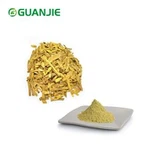
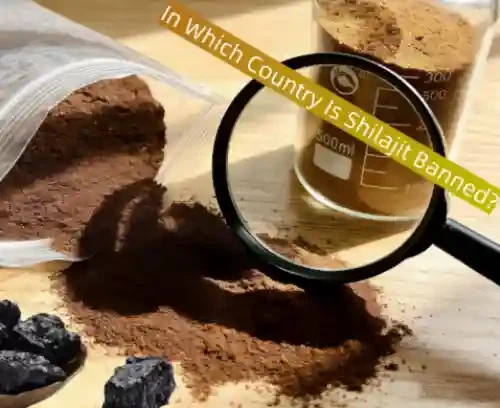
Pure Shilajit itself is not universally illegal, but its sale and import are tightly controlled in several markets because of safety concerns - mainly heavy-metal contamination and inconsistent product quality. Some countries have issued outright bans on specific shilajit products in the past or temporary export/import restrictions; others permit pure shilajit extract powder products only if they meet strict market-authorization, testing, and labeling requirements. For a supplier or brand, this means market access is determined as much by product quality control, documentation, and claims as by the substance itself. So let's look at In Which Country Is Shilajit Banned?
There is no global rule or international agreement that fully bans shilajit. Instead, each country evaluates it through its own food safety, supplement, or pharmaceutical regulatory system. As a result, shilajit is legal in many markets, restricted in others, and difficult to commercialize in a few regions with stricter requirements. For businesses involved in exporting, importing, or distributing shilajit products, understanding these national rules is essential.
Most commercial restrictions arise from concerns about quality and safety. Shilajit is a natural material collected from high-altitude regions and must be carefully purified. If it is not processed correctly, it can contain heavy metals, microbial contamination, or organic impurities. Because of this, several countries apply strong controls even if they do not explicitly ban it. Key markets with notable restrictions include Canada, parts of the European Union, Australia, and the United States. Many other countries apply general herbal medicine or novel-food rules that make market entry more complicated.
Canada
Canada is one of the strictest markets for shilajit because of past safety incidents involving Ayurvedic products. Health Canada has issued public warnings regarding certain herbal preparations, including shilajit, when heavy metals such as lead, mercury, or arsenic were found in imported items. These warnings do not represent a full ban, but they show that authorities monitor these products closely.
In Canada, any natural health product (NHP) sold to consumers must receive a product license. Without this authorization, companies cannot legally market shilajit in retail or online channels. To obtain approval, suppliers must provide evidence of safety, ingredient purity, microbial testing, stability data, and proper manufacturing controls. Imported products must also comply with Canadian labeling rules and Good Manufacturing Practices (GMP).
In practical terms, Canada is a challenging market for shilajit unless the supplier invests in high-quality purification, third-party testing, and detailed application documents. Many businesses choose not to enter Canada because the authorization process is long and detailed.
European Union (EU)
The European Commission and member-state authorities evaluate many traditional ingredients under the EU Novel Food Regulation (Regulation (EU) 2015/2283). Shilajit has been examined in that context and - depending on intended use (food, food supplement, or medicinal product) - can be considered a novel food requiring pre-market authorization and a safety dossier. Without a positive novel-food authorization or an existing history of significant use in the EU before May 15, 1997, placing shilajit on the EU market as a food or supplement can be blocked. This creates a de facto barrier until suppliers complete authorization.
For companies targeting the EU, documented purification processes, safety data, and regulatory consultation are necessary steps.
Australia
Australia is widely seen as one of the most restrictive markets for shilajit. The Therapeutic Goods Administration (TGA) regulates vitamins, supplements, and herbal products under a strong pharmaceutical-style framework. Several legal commentaries and industry analyses state that shilajit may be illegal to sell in Australia unless it is included in the Australian Register of Therapeutic Goods (ARTG). Getting listed requires extensive evidence on identity, purity, composition, safety, and manufacturing quality.
Australian authorities also strictly control advertising. Any non-approved therapeutic claims can result in enforcement actions or penalties, including fines. While personal-use importation may be possible under certain conditions, commercial importation without proper registration can lead to detention or destruction of shipments.
Because of its strong enforcement and potential penalties, Australia is often considered a high-risk market for bulk shilajit extract suppliers. Companies entering this market typically seek legal guidance and regulatory review before planning commercial distribution.
United States
The U.S. Food and Drug Administration (FDA) does not have a specific "ban" on shilajit as a dietary ingredient; however, FDA and state authorities have issued warnings about Ayurvedic products (including those that contain shilajit) when heavy metals or unapproved drug claims are present. In the U.S., supplements must be safe, properly labeled, and must not be marketed with disease-treatment claims. Companies should therefore provide third-party certificates of analysis (CoAs), Good Manufacturing Practice (GMP) documentation, and avoid therapeutic claims. FDA enforcement focuses on adulteration, contamination, and illegal therapeutic claims.
Other markets
In many other countries, shilajit is neither banned nor fully approved. It is often treated as either an herbal medicine or an herbal food ingredient. National rules may require registration, safety testing, or import permits. Customs may also detain shipments if products do not include proper purity data, heavy-metal test results, or GMP documentation.
For businesses operating globally, the best practice is to prepare comprehensive documentation, including identity testing, microbial and heavy-metal reports, stability data, and clear manufacturing descriptions. These materials help prevent customs delays and support smoother market entry.
|
Country |
Regulatory Status |
Business Impact |
|
Canada |
Not banned, but highly restricted |
Entry is difficult. Products without authorization cannot be sold. High testing and documentation costs. |
|
EU |
Often treated as a Novel Food, it cannot be sold without authorization |
Without approval, products may be blocked by customs. The regulatory process is long and expensive. |
|
Australia |
Very restrictive; may be considered illegal to sell without an ARTG listing |
High-risk market. Legal penalties possible. Businesses must seek regulatory guidance before entering. |
|
US |
Legal as a dietary supplement ingredient if compliant |
The market is open, but strong focus on quality, GMP, and correct labeling. Non-compliant imports may be detained. |
|
Others |
neither banned nor fully approved |
The regulatory process can be long. Compliance and safety data are essential. |
Why do Countries Restrict Ban Shilajit?
● Heavy-metal contamination:
Raw shilajit extracted from rocks can contain arsenic, lead, mercury and other metals. Regulators restrict sale of products with unsafe heavy-metal levels because of documented poisoning cases from contaminated traditional medicines. This is the single largest practical reason for enforcement actions.
● Lack of consistent manufacturing/purification standards:
There is variation in how shilajit is processed. Unpurified resin or poorly processed powders are more likely to contain contaminants, adulterants, or undeclared constituents. Therefore, regulators require purification records, specifications, and CoAs.

●Novel-food and classification issues:
Where authorities consider shilajit a "novel food" or a medicine, suppliers must meet different (and stricter) evidence thresholds - safety dossiers, clinical data, or registration as a medicine - before legal sale.
●Mislabeling and illegal health claims:
Marketing shilajit with disease-treatment claims triggers enforcement; regulators force product removal or issue warnings.
●Import control and customs:
Even if domestic sale is allowed, customs agencies can block shipments if documentation, labeling, or lab certificates are inadequate.
Conclusion:
There is no single global ban, but Canada, Australia and EU novel-food rules represent the most significant market barriers in practical terms; the U.S. focuses on contamination and claims enforcement. It clearly shows why safety testing, standardization, and regulatory transparency must be top priorities. Even though this regulation limits access to one market, it also emphasizes the direction that leads to long-term success in others: developing products with strong, well-verified quality.
For brands and manufacturers looking to grow responsibly, the key is choosing suppliers who meet these high standards. Guanjie Biotech, a professional bulk shilajit extract and powder supplier, is committed to this approach. We use advanced processing to turn a naturally inconsistent raw material into a stable and trustworthy nutraceutical ingredient, backed by strict international certifications. By doing so, we support our clients in creating reliable, respected products across global markets-turning regulatory hurdles in one region into proof of the strength and integrity of our entire supply chain. Welcome to enquiry with us at info@gybiotech.com.
References:
[1] Health Canada - Health Canada warns consumers not to use certain Ayurvedic medicinal products (including shilajit) - Government of Canada. (Archive/Notice).
[2] European Commission / EFSA documentation - Novel-Food consult status for mumijo (shilajit). European Food Safety Authority / European Commission novel food documentation (PDF). Food Safety
[3] Lexology (analysis) - Is "Shilajit" legal in Australia? (legal commentary summarizing Australian restrictions and import rules). Lexology
[4] U.S. Food and Drug Administration - FDA warns about heavy-metal poisoning associated with certain unapproved Ayurvedic drug products; enforcement and safety guidance for traditional medicines.
[5] Analysis and guidance summarizing international regulatory posture and recent market notices. (Overview article summarizing contemporary regulatory risk.)
[6] EU: scholarly and regulatory discussion on herbal medicine registration and implications for non-registered traditional products.
[7] Mongolia: news on export restrictions on natural baragshun/shilajit from Mongolian authorities.
[8] U.S. FDA enforcement and warnings regarding heavy-metal poisoning associated with unapproved ayurvedic products.