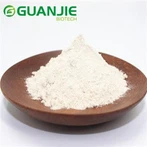
Neither is universally "better." Natural Mushroom powder and bulk mushroom extract serve different purposes. Powders are closer to whole-food, culinary and nutritional uses; extracts concentrate specific bioactive fractions (polysaccharides, triterpenes, hericenones/erinacines, etc.) and are better when you want measurable, potent effects. Which is "better" depends on your goal (culinary, daily nourishment, immune support, cognitive focus, clinical adjunct), budget, and quality requirements. Below is a practical, evidence-based deep dive to help you choose.

What Are The Differences Between Mushroom Extract And Mushroom Powder?
Of the many forms in which functional mushrooms are available, two of the most fundamental and widely discussed are natural mushroom powder and mushroom extract powder. While they originate from the same source, their methods of production, composition, and subsequent effects on the body are profoundly different, making choosing between them a critical one for consumers.

What Is Mushroom Powder?
Whole mushroom powder is the simplest and least processed form, consisting of the dried, pulverized fruiting body-the recognizable cap and stem of the mushroom. Its primary appeal lies in its "whole food" integrity, delivering the mushroom in a state as close to its natural form as possible.
The composition of natural mushroom powder is a complete matrix of the fruiting body. This includes the full spectrum of bioactive compounds like beta-glucans, triterpenes, proteins, and vitamins. However, these beneficial components remain largely locked within the mushroom's tough, indigestible cell walls, which are made of a fibrous polysaccharide called chitin. Consequently, a significant portion of natural mushroom powder is composed of this insoluble chitin and fiber. The central philosophy behind using whole mushroom powder is the belief in the "entourage effect," where the myriad of compounds within the mushroom work synergistically, providing a health benefit that isolated components may not be able to replicate on their own.
What Is Mushroom Extract Powder?
In contrast, mushroom extract powder is the product of a sophisticated processing method designed to overcome the limitations of the chitinous cell walls and concentrate the mushroom's active constituents. The process, known as extraction, typically involves subjecting the mushroom material to hot water, alcohol, or a dual extraction of both.
This procedure breaks down the indigestible chitin, effectively "unlocking" the valuable compounds from within the cellular structure. The liquid solvent pulls out the bioactives-water extracts beta-glucans, while alcohol extracts triterpenes, which is then separated from the spent mushroom biomass. This potent liquid is concentrated and dried into a fine powder. A key indicator of an extract's potency is its extraction ratio, such as 10:1, which signifies that ten kilograms of raw mushroom were required to produce one kilogram of extract. This represents a significant concentration of the desired compounds, making them more readily available for the human body to absorb and utilize.

Is Mushroom Powder Or Extract Better?
To make an informed choice, it is essential to compare the two forms across several key parameters.
1. Potency and Concentration
Mushroom Powder:
Potency is variable and dependent on the source, mushroom species, and growing conditions. Because it is a simple powder of the whole mushroom, the concentration of any specific active compound is lower. You would need to consume a much larger volume of natural mushroom powder to achieve a therapeutic dose of, for example, the beta-glucans found in Maitake or the triterpenes in Reishi.
Mushroom Extract:
By definition, bulk mushroom extract is concentrated. A 10:1 extract is, in theory, ten times more potent than the raw mushroom powder from which it was derived. Reputable suppliers, such as Guanjie Biotech, a bulk mushroom extract powder supplier, standardize their extracts to contain guaranteed minimum percentages of key markers like beta-glucans. This allows for precise and effective dosing.
Verdict: Extract is significantly more potent and reliable.
2. Health Benefits and Targeted Effects
Mushroom Powder:
Offers general nutritional support. Natural mushroom powder provides dietary fiber, some proteins, and a baseline level of bioactive compounds. The benefits are more diffuse and aligned with adding a healthy whole food to your diet. The fiber content can be beneficial for digestive health, but the therapeutic impact on the immune system, cognitive function, or energy levels will be muted due to low bioavailability.
Mushroom Extract:
Allows for targeted therapeutic applications. Different compounds are responsible for different health benefits, and extraction methods can be tailored to optimize for them.
• Hot Water Extracts:
Ideal for concentrating immune-modulating beta-glucans (found in Reishi, Turkey Tail, Maitake).
• Alcohol Extracts:
Necessary for extracting cognitive and nerve-supporting hericenones/erinacines from Lion's Mane, as well as the calming and liver-supporting triterpenes from Reishi.
• Dual Extracts:
A process that bulk mushroom extract uses both water and alcohol is considered the most comprehensive, capturing a full spectrum of both water-soluble and alcohol-soluble compounds. For a mushroom like Reishi, a dual extract is superior as it provides both beta-glucans and triterpenes.
Verdict: Extract is superior for targeted, potent, and evidence-backed health benefits.
3. Versatility and Culinary Use
Mushroom Powder:
Excels in the kitchen. Its whole-food texture and milder flavor make it an excellent addition to a wide range of recipes. Natural mushroom powder can be blended into smoothies, stirred into soups, sauces, and stews, mixed into coffee or hot cocoa, or used as a flour supplement in baking. It adds an umami, earthy flavor and nutritional bulk.
Mushroom Extract:
Due to its high concentration, the flavor of bulk mushroom extract is often intensely bitter, especially with mushrooms like Reishi. This makes it less palatable for direct culinary use. It is best consumed quickly in a small amount of water, in capsule form, or added to a strongly-flavored smoothie where the taste can be masked.
Verdict: Powder is the clear winner for culinary versatility and palatability.
4. Cost-Effectiveness
Mushroom Powder:
Often appears cheaper per gram at first glance. However, when you factor in the low bioavailability and potency, the cost per effective dose can be much higher. You may need to use 5-10 times the amount of natural mushroom powder to achieve a similar effect from a small dose of a concentrated extract.
Mushroom Extract:
Has a higher upfront cost per gram, but because the dosing is so much smaller (typically 500mg to 1.5g per day), a container lasts longer. More importantly, you are paying for a bulk mushroom extract product where a high percentage of the active ingredients are guaranteed to be bioavailable, making it far more cost-effective in terms of therapeutic value.
Verdict: Extract provides better long-term value and cost-per-effective-dose.
How To Choose Mushroom Powder Or Extract?
The choice between pure mushroom powder and extract ultimately depends on your primary goal.

Choose Whole Mushroom Powder (Fruiting Body) if:
• Your goal is general wellness and adding a nutritious, fibrous whole food to your diet.
• You plan to use natural mushroom powder primarily in cooking and value culinary versatility.
• You are on a tight budget, and the upfront cost is the primary concern.

Choose Mushroom Extract Powder (Fruiting Body) if:
• You are seeking specific, potent therapeutic benefits (e.g., immune support, cognitive enhancement, adaptogenic stress relief).
• Bioavailability and cost-per-effective-dose are your top priorities.
• You prefer the convenience of taking a small, measured dose of bulk mushroom extract (in capsules or a "shot" of liquid) rather than incorporating a powder into food.
Conclusion:
In the contest between natural mushroom powder and pure mushroom extract, the evidence points decisively toward extract as the superior form for medicinal and therapeutic applications. The fundamental issue of bioavailability, driven by the indigestible chitin in mushroom cell walls, cannot be overlooked. Extraction technology is not merely a processing step; it is a crucial intervention that unlocks the full potential of the mushroom, transforming it from a poorly digested whole food into a potent, bioavailable nutraceutical.
While natural mushroom powder has its place as a culinary ingredient for general health maintenance, it is an inefficient and unreliable method for delivering a concentrated therapeutic dose. The concentrated nature of extracts, the ability to target specific health-beneficial compounds through different extraction methods, and the guaranteed potency from quality-focused suppliers make them the unequivocal choice for anyone serious about harnessing the proven power of functional fungi.
So whatever you need, Guanjie Biotech is a bulk mushroom extract and powder supplier; we can provide you with suitable products that meet your needs. Our mushroom products pass the HALAL, HACCP, and ISO. High quality and competitive price. Welcome to enquire with us at info@gybiotech.com.
References
[1] Chen, W., Zhang, H., & Liu, Y. (2019). Mushroom Polysaccharides: Chemistry and Bioactivities. In A. M. Holban & A. M. Grumezescu (Eds.), Natural and Artificial Flavoring Agents and Food Dyes (pp. 1-38). Academic Press.
[2] Giavasis, I. (2014). Bioactive fungal polysaccharides as potential functional ingredients in food and nutraceuticals. Current Opinion in Biotechnology, 26, 162-173.
[3] Jayachandran, M., Xiao, J., & Xu, B. (2017). A Critical Review on Health Promoting Benefits of Edible Mushrooms through Gut Microbiota. International Journal of Molecular Sciences, 18(9), 1934.
[4] Lemieszek, M. K., & Rzeski, W. (2012). Anticancer properties of polysaccharides isolated from fungi of the Basidiomycetes class. Contemporary Oncology, 16(4), 285–289.
[5] Meng, X., Liang, H., & Luo, L. (2016). Antitumor polysaccharides from mushrooms: a review on the structural characteristics, antitumor mechanisms and immunomodulating activities. Carbohydrate Research, 424, 30-41.
[6] Synytsya, A., Míčková, K., Synytsya, A., Jablonský, I., Spěváček, J., Erban, V., ... & Čopíková, J. (2009). Glucans from fruit bodies of cultivated mushrooms Pleurotus ostreatus and Pleurotus eryngii: Structure and potential prebiotic activity. Carbohydrate Polymers, 76(4), 548-556.
[7] Wasser, S. P. (2002). Medicinal mushrooms as a source of antitumor and immunomodulating polysaccharides. Applied Microbiology and Biotechnology, 60(3), 258–274.