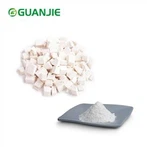
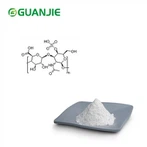
Pure Ferulic acid powder is a plant-based antioxidant ingredient that has gained considerable attention in the skincare and dermatology industries. It is a hydroxycinnamic acid, a type of organic compound commonly found in the cell walls of plants such as oats, rice, corn, coffee, apples, oranges, and wheat. In its natural form, ferulic acid helps protect plants from environmental stressors, ultraviolet radiation, and microbial attacks. When applied to human skin, pure Ferulic acid powder functions similarly-it neutralizes free radicals, stabilizes other antioxidants, and protects the skin from premature aging, pigmentation, and environmental damage.
What Are The Properties Of Ferulic Acid?
Chemically, ferulic acid (4-hydroxy-3-methoxycinnamic acid) is an aromatic compound belonging to the phenolic acid family. It occurs in both free and bound forms in plant tissues, often linked to polysaccharides, lignin, and proteins in the cell wall. In skincare formulations, ferulic acid is usually derived from natural sources such as rice bran, oats, or coffee beans. It is also synthesized chemically for purity and stability in cosmetic products.
Ferulic acid's molecular structure includes both a hydroxyl group and a methoxy group attached to a phenyl ring, which confer strong antioxidant properties. These functional groups can donate hydrogen atoms to free radicals, neutralizing them and preventing oxidative chain reactions that damage skin lipids, proteins, and DNA.

What is Ferulic Acid in Skincare?
Free radicals are unstable molecules generated by exposure to ultraviolet light, pollution, cigarette smoke, and metabolic processes. They attack cellular components, leading to oxidative stress and premature skin aging. Ferulic acid acts as a potent scavenger of reactive oxygen species (ROS), including superoxide anions, hydroxyl radicals, and peroxyl radicals. By neutralizing these unstable molecules, ferulic acid helps prevent cellular damage and reduces inflammation.
What makes ferulic acid particularly valuable in skincare is its ability to enhance the stability and effectiveness of other antioxidants, such as vitamins C and E. These vitamins are commonly used in serums and creams for their skin-brightening and anti-aging effects, but are notoriously unstable when exposed to light and air. Pure Ferulic acid powder protects them from degradation, thereby extending their shelf life and improving their performance. Studies have shown that combining ferulic acid with vitamins C and E can double the photoprotection of the skin compared to using vitamins alone.
Ferulic acid's primary mechanism of action involves its antioxidant and anti-inflammatory properties. When the skin is exposed to ultraviolet radiation, reactive oxygen species form in the epidermis and dermis, damaging cellular DNA and structural proteins such as collagen and elastin. Ferulic acid inhibits the chain reactions initiated by ROS, helping to maintain the structural integrity of skin cells.
Additionally, pure Ferulic acid powder inhibits lipid peroxidation-the oxidative degradation of lipids in cell membranes. This mechanism is crucial because lipid peroxidation contributes to skin barrier dysfunction, dryness, and sensitivity. By preserving lipid integrity, ferulic acid supports the skin's natural moisture barrier.
Another mechanism involves the inhibition of melanogenesis, the process that leads to dark spot formation. Ferulic acid can reduce tyrosinase activity, the enzyme responsible for melanin synthesis. As a result, it helps in reducing hyperpigmentation, improving overall skin tone, and promoting a radiant complexion.
Ferulic acid is often incorporated into anti-aging products because of its ability to reduce fine lines, wrinkles, and loss of elasticity. By combating oxidative stress, it indirectly slows collagen breakdown and prevents the degradation of elastin fibers. These effects contribute to firmer, smoother, and more youthful-looking skin.
In addition to its antioxidant effects, ferulic acid stimulates fibroblast activity, which promotes the production of collagen and other extracellular matrix components. This regenerative effect strengthens the dermal structure and improves skin resilience over time.
Furthermore, ferulic acid helps to protect mitochondrial function in skin cells. Mitochondria are responsible for energy production, and oxidative damage can impair their function, leading to cellular aging. By maintaining mitochondrial health, ferulic acid enhances cellular energy metabolism, which is essential for skin repair and renewal.
Pure Ferulic acid powder has also shown promise as a skin-brightening agent. It interferes with melanin production by inhibiting the activity of tyrosinase and other enzymes involved in melanogenesis. This helps to fade dark spots and even out the skin tone. When combined with vitamin C, ferulic acid amplifies the brightening effect, as both ingredients target pigmentation through complementary mechanisms.
Additionally, ferulic acid's anti-inflammatory action reduces redness and irritation, which can often accompany post-inflammatory hyperpigmentation (PIH). Its soothing properties make it suitable even for sensitive or acne-prone skin types.
One of the most remarkable benefits of pure Ferulic acid powder is its ability to enhance photoprotection. Exposure to ultraviolet (UV) radiation is one of the major causes of premature aging, sunburn, and skin cancer. Ferulic acid helps shield the skin from UV-induced oxidative damage by absorbing UV light and neutralizing free radicals generated by sun exposure.
When used alongside sunscreen, ferulic acid boosts protection by providing a biochemical layer of defense in addition to the physical or chemical barrier. A landmark study by Pinnell et al. (2001) found that a topical antioxidant combination of vitamins C, E, and ferulic acid provided up to eightfold photoprotection compared to sunscreen alone. This synergy makes ferulic acid a key ingredient in daytime serums designed to be worn under sunscreen.
Compatibility with Other Skincare Ingredients
Pure Ferulic acid powder is known for its exceptional compatibility with other active ingredients. It is often formulated in antioxidant blends, where it stabilizes and enhances the activity of other compounds.

Ferulic acid lowers the pH of formulations, which improves vitamin C's stability and skin penetration. It also prevents oxidation of vitamin C, maintaining its potency for longer periods.

• Vitamin E (Tocopherol):
Pure Ferulic acid powder regenerates oxidized vitamin E, restoring its antioxidant capacity. Together, they provide comprehensive protection against lipid peroxidation.

The combination boosts cellular defense and DNA repair mechanisms, creating an advanced anti-aging synergy.

Provides hydration, while ferulic acid protects from oxidative damage, making them a balanced pairing for overall skin health.
How to Use Ferulic Acid in Skincare?
Natural Ferulic acid powder is commonly used in serums, creams, lotions, and sunscreens. Because it is light-sensitive and unstable in alkaline environments, formulators often use stabilized derivatives or encapsulation techniques to improve shelf life. For example, liposomal ferulic acid or microencapsulation systems protect it from oxidation and enhance its penetration into the deeper layers of the skin.
The concentration of Pure Ferulic acid powder in skincare products typically ranges between 0.5% and 1%. Although this may seem low, even small amounts can yield significant antioxidant benefits when combined with vitamins or polyphenols.

Safety, Stability Of Ferulic Acid
Pure Ferulic acid powder is generally well-tolerated and considered safe for all skin types. However, individuals with sensitive skin should perform a patch test before regular use. Possible mild side effects include temporary redness or tingling, especially when used with highly acidic formulations like vitamin C serums.
Stability is one of the key challenges in ferulic acid formulations. Exposure to heat, light, and oxygen can degrade the molecule, reducing its effectiveness. Therefore, it is often packaged in amber or opaque bottles with airtight pumps. Many manufacturers use derivatives like ethyl ferulate to improve formulation stability without compromising activity.
Evidence Supporting Ferulic Acid's Efficacy
Numerous studies support the skincare benefits of pure Ferulic acid powder. Research published in the Journal of Investigative Dermatology and Dermatologic Surgery demonstrates that ferulic acid significantly enhances the stability of vitamins C and E and improves photoprotection. Other studies have confirmed its anti-inflammatory and melanin-inhibiting effects.
For example:
● A 2004 study by Lin et al. found that a topical antioxidant mixture containing ferulic acid reduced UV-induced erythema and DNA damage in skin.
●Another 2005 study demonstrated that ferulic acid, when combined with ascorbic acid and tocopherol, doubled the photoprotection factor of the skin.
●In vitro research has shown that ferulic acid can inhibit tyrosinase activity, making it effective for pigmentation control.
These findings collectively affirm ferulic acid's reputation as a "booster" molecule in skincare formulations.
Why is ferulic acid important in Modern Skincare?
Modern lifestyles expose skin to multiple stressors-UV radiation, pollution, digital blue light, and internal oxidative stress. As such, antioxidants have become indispensable in skincare. Pure Ferulic acid powder stands out because it offers a combination of broad-spectrum protection, synergistic enhancement, and skin-restorative effects.
Unlike many antioxidants that degrade quickly, ferulic acid strengthens other ingredients, allowing formulations to maintain potency for longer periods. It also works at multiple biological levels-neutralizing ROS, reducing inflammation, regulating pigmentation, and stimulating collagen production.
For consumers seeking brighter, firmer, and more resilient skin, natural ferulic acid powder provides both preventive and corrective benefits, making it a cornerstone ingredient in advanced skincare science.
In a competitive industry that values innovation and purity, Guanjie Biotech's large-scale pure ferulic acid powder production capacity makes it a trusted partner for businesses developing antioxidant-rich skincare products.
Conclusion
In summary, pure ferulic acid powder is a natural antioxidant that plays a crucial role in protecting the skin from environmental stress, preventing premature aging, and supporting overall skin health. Its ability to stabilize and enhance other antioxidants like vitamins C and E makes it one of the most effective ingredients in modern skincare formulations.
With consistent use, ferulic acid can brighten the complexion, improve firmness, and reduce the visible signs of aging. Safe for most skin types and compatible with a wide range of ingredients, it represents a scientifically validated solution for long-term skin protection and rejuvenation.
As consumers continue to favor clean, plant-derived skincare solutions, the demand for high-quality ferulic acid will continue to rise. From a business perspective, partnering with reliable ingredient suppliers, such as Guanjie Biotech, ensures access to stable, bulk ferulic acid powder raw materials that support product innovation and commercial success in the global skincare market. Welcome to enquire with us at info@gybiotech.com.
Reference:
[1] Lin, F. H., Lin, J. Y., Gupta, R. D., Tournas, J. A., Burch, J. A., Selim, M. A., Monteiro-Riviere, N. A., Grichnik, J. M., Zielinski, J., & Pinnell, S. R. (2005). Ferulic acid stabilizes a solution of vitamins C and E and doubles its photoprotection of skin. Journal of Investigative Dermatology, 125(4), 826–832.
[2] Graf, E. (1992). Antioxidant potential of ferulic acid. Free Radical Biology and Medicine, 13(4), 435–448.
[3] Saija, A., Tomaino, A., Trombetta, D., De Pasquale, A., Uccella, N., Barbuzzi, T., & Bonina, F. (1999). In vitro antioxidant and photoprotective properties and interaction with model membranes of ferulic acid. Photochemistry and Photobiology, 70(5), 557–564.
[4] Graf, E., & Eaton, J. W. (1990). Suppression of hydroperoxide formation by phenolic antioxidants: Ferulic acid as a model. Biochemical Pharmacology, 39(4), 715–720.
[5] Shahidi, F., & Chandrasekara, A. (2010). Hydroxycinnamic acids and their in vitro and in vivo antioxidant activities. Phytochemistry Reviews, 9(1), 147–170.
[6] Kaur, M., & Saraf, S. (2010). Topical delivery of antioxidants for skin protection: Challenges and trends. Journal of Cosmetic Science, 61(5), 303–310.
[7] Pinnell, S. R. (2001). Cutaneous photodamage, oxidative stress, and topical antioxidant protection. Journal of the American Academy of Dermatology, 48(1), 1–19.
·