Bulk inulin powder is a natural dietary fiber. It is widely found in plants such as chicory root, garlic, onions, and bananas. As a prebiotic, inulin is effective in regulating intestinal health, boosting immunity, and promoting mineral absorption.
How Much Inulin Per Day?
The daily intake of inulin varies depending on the population and health needs.
The recommended intake of inulin varies from person to person, but in general, an adult intake of between 5 and 10 grams of inulin per day is considered safe and effective. According to the National Institutes of Health, the recommended daily intake of dietary fiber is 25-38 grams, and inulin, as a dietary fiber, can usually be used as a supplementary source of daily dietary fiber intake. Therefore, moderate intake of inulin helps to meet the daily dietary fiber requirement.
• Low-dose intake (less than 5 g):
For most people, supplementing their daily diet with about 5 grams of inulin usually does not result in an uncomfortable reaction and can provide benefits in terms of intestinal health.
• Medium Dose Intake (5-10 grams):
This range of intake usually results in significant prebiotic effects, especially in improving the gut microbiota and increasing the number of probiotics. For effects such as enhanced immunity and improved blood sugar control, a daily intake of about 8-10 grams is recommended.
• High dose intake (10g or more):
For people with special needs (e.g. intestinal flora imbalance, constipation, etc.), the intake can be increased moderately under the guidance of a doctor, but should not exceed 20 grams per day. Excessive intake of inulin may lead to gastrointestinal discomforts, such as bloating, abdominal pain, and diarrhea.
For healthy adults, the recommended intake of bulk inulin powder is roughly 5-10 grams per day.
Intake and Individual Differences
5-10 grams of inulin is suitable for most healthy adults. However, the intake may vary for some specific groups of people.
• People with more sensitive stomach and intestines:
Some people may experience gastrointestinal discomfort with inulin. This is especially true for those with sensitive digestive systems. Excessive intake may cause bloating, flatulence, diarrhea, and other discomforts. For this group of people, you can start with a small dose and gradually increase the intake, or choose to split the intake.
• Diabetics:
Although inulin can improve blood sugar control, the specific conditions of different diabetic patients may vary. Therefore intake should be adjusted according to the individual's blood sugar level and doctor's advice.
How To Supplement Inulin?
Inulin can be ingested through food or supplements. Here are some common ways of intake:
• Food sources:
Inulin occurs naturally in a wide variety of foods, especially some roots and tubers. Examples include inulin, onions, garlic, and celery. These foods can be used as part of your daily diet to increase your intake of inulin.
• Inulin supplements:
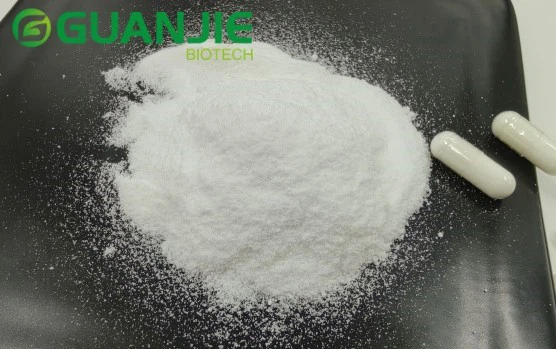
Supplements of inulin are also available in the market in the form of bulk inulin powder and capsules. Supplements are easy to control intake, but you should choose a regular brand to ensure product quality. Guanjie Biotech is a pure inulin powder manufacturer. Our products have passed HALAL, ISO9001, HACCP, Kosher, and many other certifications. We produce artichoke inulin powder and inulin powder. Quality assurance, welcome to contact us.
How to Take Inulin?
1. Direct consumption of inulin powder
Inulin is in powder form, which is very convenient to use. You can add inulin directly into your food according to your personal needs. Guanjie Biotech is one of the bulk inulin powder suppliers. We focus on wholesale bulk inulin powder. If you are interested in our products, please feel free to consult us.
• Add to drinks:
You can add inulin powder to water, juice, milk yogurt, and other drinks, mix well and drink. Inulin is odorless and well soluble, suitable for mixing with all kinds of beverages.
• Add to breakfast foods:
You can add inulin to breakfast cereals, muesli, porridge, yogurt, or smoothies to increase your dietary fiber intake.
• Add to baked goods:
Inulin can be used as a fiber additive when making baked goods such as bread, biscuits, and cakes. As inulin has good solubility and slight sweetness, it can replace some of the sugar or increase the fiber content of foods.
2. Combine with other foods
• Mixed fruit or vegetable salad:
Sprinkle inulin on fruit or vegetable salads to easily increase fiber intake.
• Add to soups or stews:
When making soups or stews, add inulin to them. Inulin can help boost the fiber content of foods and improve intestinal health.
• With breakfast oatmeal:
Sprinkle inulin on oatmeal to increase your fiber intake without compromising on taste.
The best time to take inulin
There is no strict rule on the best time to take inulin. But according to its action and the digestive characteristics of the body. This can choose the best time to take inulin according to individual needs.
1. In the morning at breakfast
Morning is a critical time for many people to start their day with a nutritional intake. Add inulin to breakfast foods. (e.g. oatmeal, yoghurt, fruit juice, etc.).
• Helps the intestinal tract to kick start:
As a dietary fiber, inulin promotes bowel movements. This helps relieve constipation and improve digestion. It is especially good for mornings when there is less intestinal activity.
• Stabilises blood sugar:
Consuming inulin at breakfast helps regulate blood sugar levels and slows down sugar absorption. Avoids rapid rise in blood sugar after meals. Especially beneficial to diabetics.
2. 30 minutes to 1 hour before meal
• Increase satiety:
Bulk inulin powder can absorb water to expand and increase the volume inside the stomach. This prolongs satiety, helps control food intake, reduces overeating, and helps with weight management.
• Improves postprandial blood sugar response:
Due to the ability of inulin to slow down the absorption of carbohydrates, consuming it before a meal can help stabilize postprandial blood sugar levels. It is especially important for diabetics.
3. 1-2 hours after meal
• Promotes intestinal health:
Consuming inulin after a meal helps the growth of probiotics in the intestines and promotes intestinal health. Especially when the food contains high-fat or indigestible ingredients, the prebiotic effect of inulin helps to balance the intestinal flora.
• Enhances mineral absorption:
Inulin helps enhance the absorption of minerals such as calcium and magnesium. Consumption of a meal improves the utilization of these minerals. It is especially beneficial for bone health.
4. Before bedtime
Consuming inulin at night before bedtime is not inappropriate, especially for people with constipation or gastrointestinal discomfort:
• Promotes intestinal peristalsis:
During sleep, there is less intestinal activity, and inulin helps to maintain intestinal health and improve constipation. Especially for people who suffer from indigestion at night, moderate intake of inulin before bedtime may help relieve constipation or gastrointestinal discomfort.
• Enhance sleep quality:
While inulin itself does not directly affect sleep, improving gut health and digestion may indirectly help to enhance overall health. This may have an improved effect on sleep quality.
Precautions
If you are consuming inulin for the first time, it is recommended to start with a small dose and increase gradually to avoid causing bloating or discomfort.
Guanjie Biotech is a bulk inulin powder factory. We specialize in bulk inulin powder. If you are a health supplement manufacturer, you can consider our product. Welcome to enquiry:info@gybiotech.com.